
Herbal Gelatin & Turmeric Digestive Tonic
A Nourishing, Clinically-Informed Approach to Metabolic Support
By Kathy McCabe

Image by Kathy McCabe and OpenAI
There’s no shortage of “miracle” drinks floating around the internet promising effortless weight loss. If you’ve been in herbal practice for any length of time, you already know the truth: there are no shortcuts—only support.
That said, some simple formulations can gently support digestion, satiety, and inflammation balance in a way that complements a healthy lifestyle. One combination that’s been making the rounds includes gelatin, turmeric, and—oddly enough—baking soda.
Let’s take a closer look at what actually makes sense here… and what doesn’t.
Understanding the Formula (and Fixing It)
The original version of this drink often includes:
gelatin
- turmeric
- lemon
- baking soda
While a few of these ingredients are well-founded, others are not ideal for regular use.
⚠️ The Baking Soda Issue
Baking soda is often included under the idea of “alkalizing the body.” In reality:
- The body tightly regulates pH on its own
- Regular ingestion of baking soda can reduce stomach acid, impairing digestion
- It may interfere with medications and electrolyte balance
From a clinical herbalist perspective, this is not something I recommend as a daily practice.
A Refined Herbalist-Friendly Formula
✨ Gelatin & Turmeric Digestive Tonic
Ingredients:
- 1 teaspoon unflavored gelatin (grass-fed preferred)
- ½ teaspoon turmeric powder (Curcuma longa)
- Pinch of black pepper (Piper nigrum)
- ½ teaspoon freshly grated ginger (Zingiber officinale)
- (or ¼ teaspoon dried powdered ginger if fresh is not available)
- Juice of ½ lemon (Citrus limon) (see substitutions below)
- 1 cup warm water
- Optional: 1 teaspoon raw honey
Directions:
- Sprinkle gelatin over a small amount of cool water and allow it to bloom (1–2 minutes).
- Add warm (not boiling) water and stir until dissolved.
- Add turmeric, black pepper, ginger, and lemon juice (or substitute).
- Stir well and sweeten if desired.
- Drink warm, ideally before meals or in the morning.
Citrus-Free & Vertigo-Sensitive Substitutions
For those who experience vertigo triggers from citrus (or similar sensitivities), this tonic can be easily adapted without losing its benefits.
Gentle, Non-Citrus Options

Replace the lemon juice with one of the following:
- Chamomile infusion (Matricaria chamomilla)
- Calming, anti-inflammatory, and supportive to both digestion and the nervous system
- Ideal for sensitive or reactive systems
- Dandelion root decoction (Taraxacum officinale)
- A gentle bitter that supports bile flow and metabolic function
- Excellent for liver-focused protocols
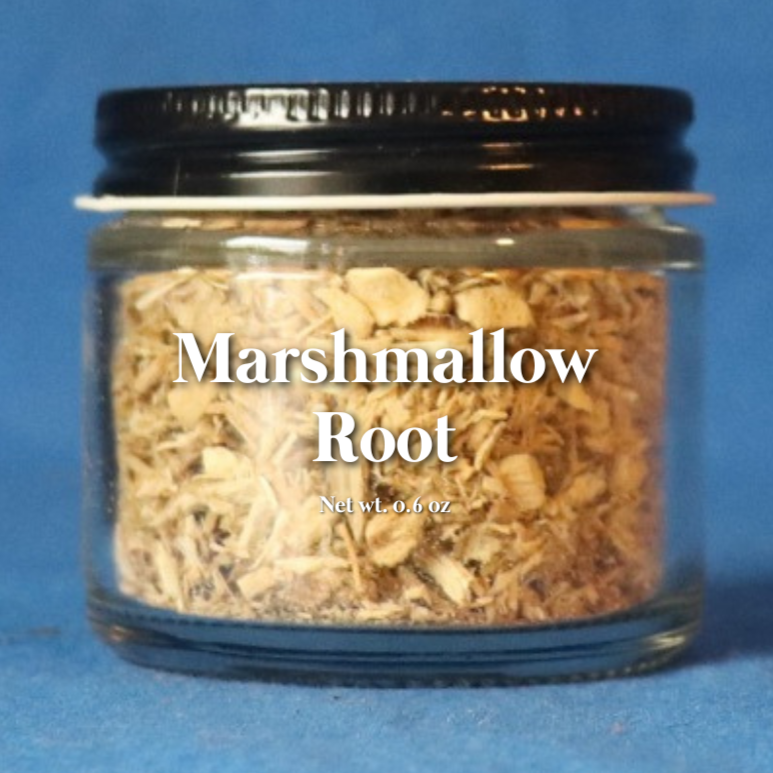
- Marshmallow root cold infusion (Althaea officinalis)
- Demulcent and soothing to the gut lining
- Best for irritation, sensitivity, or combined GI symptoms
- Apple cider vinegar (very diluted)
- Use ½–1 teaspoon in a full cup of water
- Provides digestive stimulation similar to lemon without citrus compounds
- Avoid if it aggravates reflux
GERD-Friendly Modifications
For those with reflux or upper GI sensitivity:
- Omit lemon entirely
- Use chamomile or marshmallow root as your base
- Reduce or omit ginger if needed
This creates a more soothing, demulcent version of the tonic while still offering support.
Why This Formula Works
This isn’t a “weight loss drink.” It’s a digestive and metabolic support tonic.
Gelatin (Collagen-derived proteins)
- Supports satiety and may reduce between-meal hunger
- Provides glycine, which plays a role in metabolic regulation and liver function
- May support gut lining integrity
Turmeric (Curcuma longa)
- Anti-inflammatory via curcuminoids
- May support insulin sensitivity and metabolic balance
- Traditionally used for digestive and hepatic support
⚫ Black Pepper (Piper nigrum)
- Enhances curcumin absorption (bioavailability increases significantly)
Ginger (Zingiber officinale)
- Stimulates digestion and gastric motility
- Reduces bloating and supports nutrient absorption
- Mild thermogenic effect
⚖️ Clinical Considerations & Contraindications
As always, even gentle formulas deserve thoughtful use.
⚠️ Use Caution With:
- Gallstones or bile duct obstruction
- Turmeric (and bitters like dandelion) may stimulate bile flow
- GERD or active ulcers
- Use the modified version above
- Pregnancy
- Culinary amounts are generally safe; avoid concentrated daily use without guidance
- Highly sensitive vestibular disorders
- Avoid citrus and test substitutions individually
Potential Interactions:
- Blood thinners (e.g., Warfarin)
- Turmeric and ginger may have mild anticoagulant effects
- Diabetes medications
- Turmeric may enhance glucose-lowering effects
Make-Ahead & On-the-Go Tips
This tonic can be prepped in advance with a little planning:
Option 1: Concentrate Method
- Mix all ingredients except gelatin and store in the refrigerator (up to 2–3 days)
- When ready to use, warm gently and add bloomed gelatin
Option 2: Gel Cubes
- Prepare the full recipe and pour into ice cube trays
- Refrigerate until set
- Drop a cube into warm liquid to reconstitute
☕ Option 3: Travel Jar
- Pre-mix dry ingredients:
- gelatin
- turmeric
- powdered ginger
- black pepper
- Add hot water and your chosen liquid (or substitution) when ready
This makes it easy to stay consistent—even on busy or travel days.
How to Use This Tonic in Practice
This formula works best when used:
- In the morning to gently stimulate digestion
- Before meals to support satiety
- As part of a broader protocol that includes:
- balanced nutrition
- adequate protein
- stress regulation
- restorative sleep
Final Thoughts
If there’s one thing I’ve learned as an herbalist, it’s this:
Simple formulas, used consistently and thoughtfully, are often the most effective.
This tonic isn’t a shortcut—but it is a tool. One that supports digestion, nourishes the gut, and helps create the internal conditions where balance can happen naturally.
And that’s where real, sustainable change begins.
Enjoy this downloadable information sheet: Gelatin and Turmeric Digestive Tonic
References
- Hewlings, S. J., & Kalman, D. S. (2017). Curcumin: A review of its effects on human health. Foods, 6(10), 92.
- Gupta, S. C., et al. (2013). Multitargeting by turmeric: Therapeutic potential. AAPS Journal, 15(1), 195–218.
- Mashhadi, N. S., et al. (2013). Anti-oxidative and anti-inflammatory effects of ginger. International Journal of Preventive Medicine, 4(Suppl 1), S36–S42.
- Srivastava, J. K., et al. (2010). Chamomile: A herbal medicine of the past with bright future. Molecular Medicine Reports, 3(6), 895–901.
- Clare, B. A., et al. (2009). The diuretic effect in human subjects of an extract of Taraxacum officinale. Journal of Alternative and Complementary Medicine, 15(8), 929–934.
- McGee, H. (2004). On Food and Cooking: The Science and Lore of the Kitchen. Scribner.

Kathy is an herbalist/naturopathy practitioner who is constantly researching to expand her knowledge. She came to herbalism after her migraine medicine was suddenly removed from the market and she had to find something new. After discovering the magic of herbs she’s never looked back. She is accredited by the International Practitioners of Holistic Medicine (IPHM) View her courses of study.