
Simple Head-to-Toe Health Practices for Everyday Well-Being
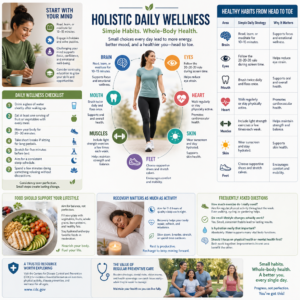
Image by Herbal Journal & Copilot
Good health is built through everyday habits rather than dramatic overhauls. From caring for your brain to supporting your feet, simple choices made consistently can improve energy, mood, mobility, and overall well-being. The encouraging part is that many of the most effective strategies fit naturally into an ordinary routine.
At a Glance
- Focus on small daily habits instead of chasing perfection.
- Support your entire body through movement, nutrition, hydration, sleep, and stress management.
- Mental well-being deserves the same attention as physical health.
- Regular checkups help identify issues before they become bigger concerns.
- Sustainable routines are more valuable than short bursts of motivation.
Start with Your Mind
Your health journey begins with your mindset. Chronic stress, poor sleep, and mental fatigue can influence everything from immune function to physical performance. Giving your brain opportunities to recharge can make healthy decisions easier throughout the day.
Reading, learning a new skill, solving puzzles, or exploring a new hobby keeps the mind engaged while encouraging personal growth and confidence. Lifelong learning also provides a sense of purpose that supports emotional well-being.
For many adults, continuing education offers another rewarding way to challenge themselves regardless of their profession. If you’re considering expanding your knowledge, the core of it is here, where flexible online degree options make continued learning more accessible. Students pursuing an information technology degree gain practical experience in networking, cybersecurity, cloud computing, data management, and systems administration, building valuable technical skills alongside greater personal confidence.
Healthy Habits from Head to Toe
| Area | Simple Daily Strategy | Why It Matters |
| Brain | Read, learn, or meditate for 10–15 minutes | Supports focus and emotional wellness |
| Eyes | Follow the 20-20-20 rule during screen time | Helps reduce eye strain |
| Mouth | Brush twice daily and floss once | Supports oral and overall health |
| Heart | Walk regularly or stay physically active | Promotes cardiovascular health |
| Muscles | Include light strength exercises a few times each week | Helps maintain strength and balance |
| Skin | Wear sunscreen and stay hydrated | Supports skin health |
| Feet | Choose supportive shoes and stretch calves | Encourages comfort and mobility |
Build Momentum Instead of Chasing Perfection
Many people abandon healthy routines because they try to change everything at once. A better approach is to stack manageable habits onto activities you already do.
Try this simple checklist:
- Drink a glass of water shortly after waking up.
- Eat at least one serving of fruit or vegetables with every meal.
- Move your body for 20–30 minutes.
- Take short breaks if sitting for long periods.
- Stretch for five minutes before bed.
- Aim for a consistent sleep schedule.
- Spend a few minutes doing something relaxing without distractions.
Completing even most of these consistently can have a meaningful impact over time.
Food Should Support Your Lifestyle
Healthy eating doesn’t require complicated rules. Instead, aim for balance.
A colorful plate filled with vegetables, fruits, whole grains, lean proteins, and healthy fats provides nutrients your body relies on every day; if it’s difficult to maintain, consider meal prepping for the week. Drinking enough water also supports digestion, energy levels, and normal body functions.
Rather than eliminating favorite foods, consider moderation. A flexible approach is often easier to maintain than restrictive eating plans.
Why Recovery Matters as Much as Activity
Exercise gets plenty of attention, but recovery deserves equal importance.
Sleep allows your body to repair tissues, consolidate memories, and regulate hormones. Adults generally benefit from seven to nine hours of quality sleep each night.
Recovery also includes giving yourself permission to slow down occasionally. Quiet walks, gentle stretching, breathing exercises, or simply spending time outdoors can reduce stress while helping your body recharge.
Frequently Asked Questions
How much exercise do I really need?
General health guidelines recommend regular physical activity throughout the week. Even brisk walking, cycling, gardening, or swimming can contribute toward better health.
Do small lifestyle changes actually work?
Yes. Small habits practiced consistently often become long-term routines that are easier to maintain than major lifestyle overhauls.
Is hydration really that important?
Absolutely. Water supports temperature regulation, digestion, circulation, and many other essential bodily processes.
Should I focus on physical health or mental health first?
Both work together. Improvements in one area frequently benefit the other.
A Trusted Resource Worth Exploring
Reliable health information matters just as much as healthy habits. For evidence-based guidance on nutrition, physical activity, disease prevention, and wellness topics, the Centers for Disease Control and Prevention (CDC) offers practical resources for people of all ages.
The Value of Regular Preventive Care
Even when you feel healthy, preventive care plays an important role. Routine medical checkups, dental visits, vision exams, and recommended health screenings can identify concerns early when they may be easier to manage.
Think of preventive care as maintaining your health instead of waiting to repair it.
Improving your well-being doesn’t require dramatic lifestyle changes. Small, consistent actions that support your body from head to toe often produce lasting benefits over time. Focus on building routines that fit naturally into your daily life, stay curious about learning, and remember that steady progress is far more valuable than perfection.


Kathy is an herbalist/naturopathy practitioner who is constantly researching to expand her knowledge. She came to herbalism after her migraine medicine was suddenly removed from the market and she had to find something new. After discovering the magic of herbs she’s never looked back. She is accredited by the International Practitioners of Holistic Medicine (IPHM) View her courses of study.