
When an Herbalist Says No: The Ethics of Do No Harm
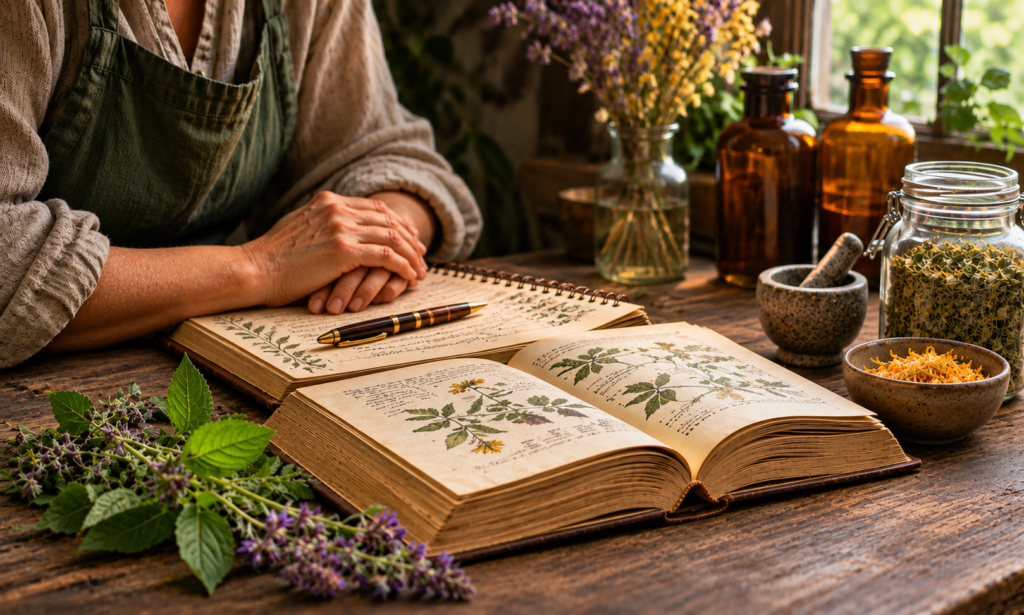
Image by Herbal Journal & OpenAI
The Working Apothecary | Herbal Journal
There is a certain expectation that comes with being an herbalist. Someone presents a problem, describes their symptoms, and waits for us to suggest an herb, a tea, a tincture, or a salve.
But sometimes, the most responsible answer we can give is simply no.
Not because we lack knowledge. Not because we don’t care. But because we understand that knowing when not to use an herb is just as important as knowing when to use one.
Natural Doesn’t Always Mean Harmless
One of the most persistent misconceptions surrounding herbal medicine is that natural substances are inherently safe.
They aren’t.
Herbs contain biologically active compounds. They can interact with medications, aggravate existing conditions, cause allergic reactions, and produce unintended effects. Even familiar culinary herbs can present concerns when used in concentrated medicinal preparations.
A responsible herbalist must consider more than an herb’s traditional uses. We need to understand contraindications, potential interactions, appropriate preparations, and the individual circumstances of the person seeking guidance.
Sometimes those considerations lead us to conclude that an herbal preparation simply isn’t appropriate.
And that’s perfectly acceptable.
Knowing Our Boundaries
Herbalism has a long and valuable history, but it does not replace modern medical care.
I was once helping someone who had struggled with a persistent skin condition for years. I developed a carefully formulated herbal ointment that provided some relief, but the underlying condition remained.
As time passed, I began to question whether we were addressing the actual cause of the problem.
Rather than continuing to adjust the formulation or introduce additional herbs, I suggested that a possible medication-related reaction be discussed with a healthcare professional.
Further evaluation revealed that a prescribed medication was contributing to the condition. Once the medication was changed under medical supervision, the skin improved considerably.
That experience reinforced something I believe deeply: Just because an herbal preparation provides relief doesn’t mean it’s addressing the cause.
Sometimes the most responsible decision isn’t to formulate something stronger or try another herb. It’s recognizing when the answer may lie outside our herbal practice.
Knowing our boundaries isn’t a weakness. It’s one of the greatest strengths an herbalist can possess.
Our responsibility is to the person, not to the preparation.
The Courage to Say No
Saying no isn’t always easy.
Perhaps someone has read glowing testimonials about an herb and is convinced it will help. Perhaps they’ve already purchased the ingredients or are frustrated with conventional treatment.
It’s tempting to offer an alternative simply because we want to help.
But responsible herbalism sometimes means explaining why a particular herb isn’t suitable, suggesting that someone speak with their healthcare provider, or acknowledging that we don’t have enough information to make a recommendation.
It also means being willing to reconsider our conclusions when new information becomes available.
There is no shame in saying, “I don’t know.”
There is considerably more risk in pretending that we do.
Ethics Begin Long Before the Preparation
The principle of do no harm extends beyond choosing the right herb.
It begins with careful research, reliable sourcing, accurate identification, appropriate formulation, and meticulous recordkeeping.
It includes documenting contraindications, recognizing uncertainty, and distinguishing traditional use from evidence supported by modern research.
It also means resisting the temptation to make claims that go beyond what we can reasonably substantiate.
A beautifully prepared herbal remedy is not necessarily an appropriate one.
And an herbalist’s integrity is measured not only by what they create, but also by what they choose not to create.
A Thought Worth Remembering
As herbalists, we spend years learning what plants can do.
Perhaps one of the most important lessons we learn along the way is recognizing when they shouldn’t be used.
Sometimes the greatest expression of our knowledge isn’t found in a carefully formulated tincture or a beautifully crafted salve.
Sometimes it’s found in the quiet confidence to say:
“No. This isn’t the right approach.”
And to know that, in doing so, we’ve honored the very heart of responsible herbal practice.
The Working Apothecary is a Herbal Journal series exploring the practical knowledge, responsibilities, and everyday realities of herbal practice.
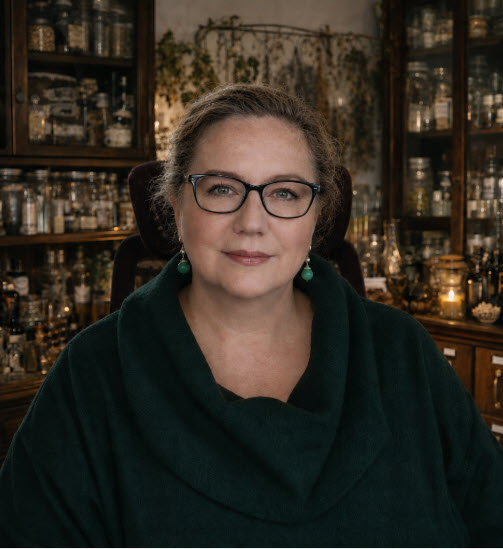
Kathy is an herbalist/naturopathy practitioner who is constantly researching to expand her knowledge. She came to herbalism after her migraine medicine was suddenly removed from the market and she had to find something new. After discovering the magic of herbs she’s never looked back. She is accredited by the International Practitioners of Holistic Medicine (IPHM) View her courses of study.